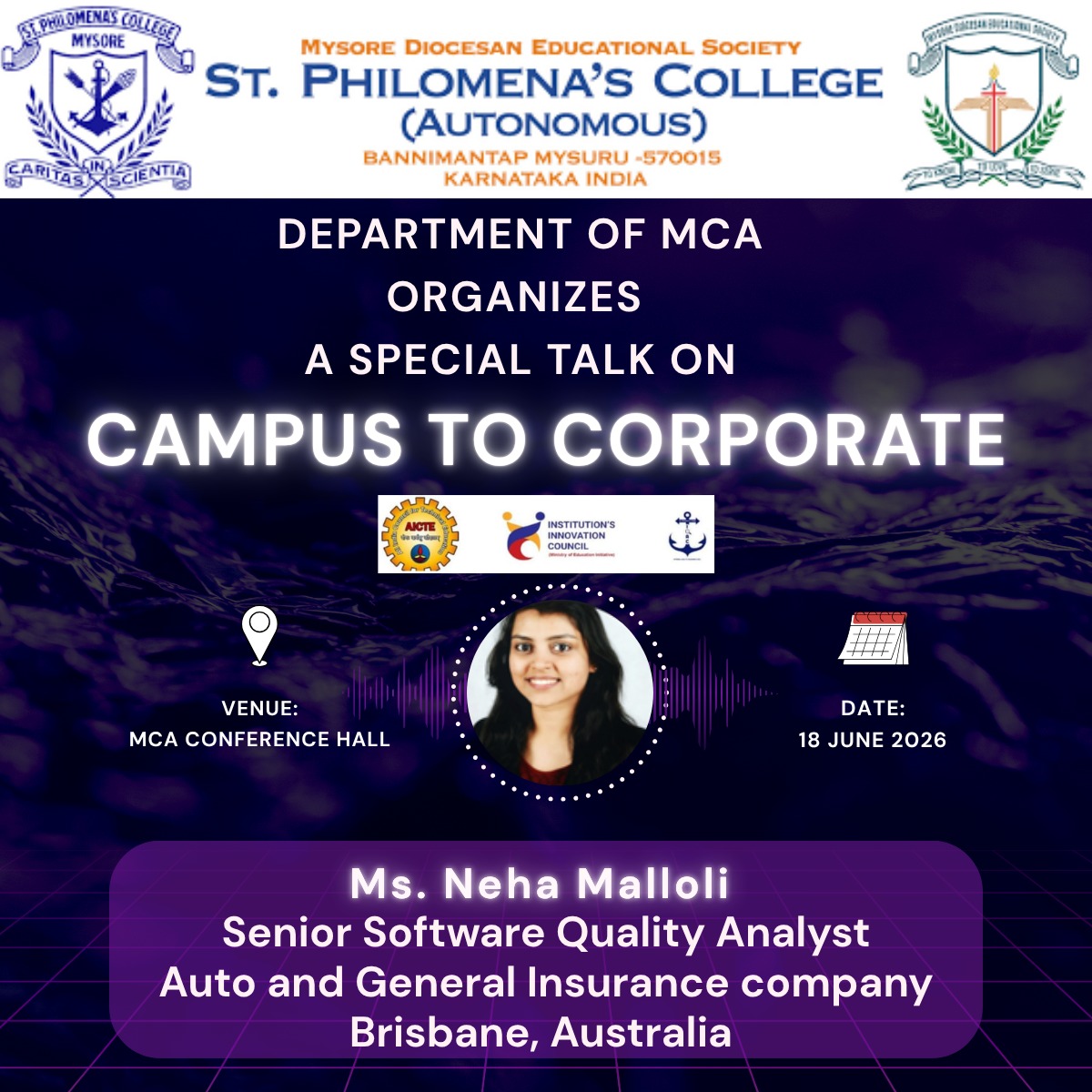
Campus to Corporate
SESSIONREPORT
A Special Talk on
Sessionon:Campus to Corporate
Date:18/06/26
INAUGURATION
Overview
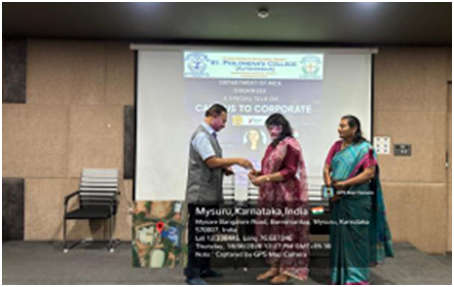
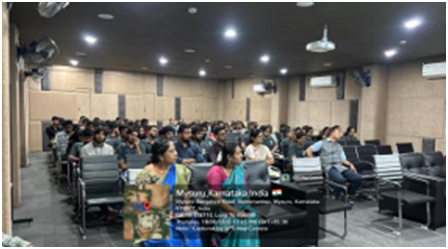
The inaugural session of the “Campus to Corporate” special talk was organized by the Department of MCA, bringing together MCA and MBA students for a transformative career guidance programme. The event commenced at 10:00 AM with a formal inauguration that set an inspiring and professional tone for the session ahead.
Inaugural Proceedings
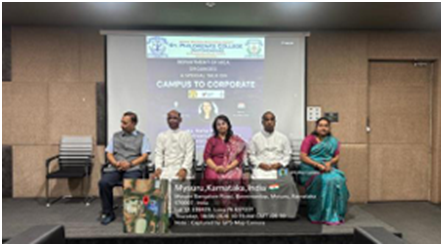
The inauguration was conducted in a structured and dignified manner with the following programme sequence:
- Master of Ceremonies:Rebecca Raj A welcomed the gathering and anchored the inaugural proceedings smoothly.
- Welcome Speech: Delivered by Gunashree, warmly receiving the guest, faculty, and students assembled for the occasion.
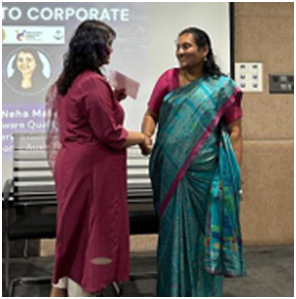
- Guest Introduction:Praise Debora introduced the chief speaker, Ms. Neha Malloli, highlighting her expertise and professional background.
- Address to the Gathering: The Rector, Rev. Fr. Dr. Lourdu Prasad Joseph addressed the students, lending prestige and encouragement to the event with his words of wisdom.
- Vote of Thanks:Nischala formally concluded the inaugural ceremony by extending gratitude to the speaker, faculty, and all participants.
Chief Speaker
Ms. Neha Malloli was the distinguished speaker for the session. Her session was designed to bridge the gap between academic learning and professional career readiness, covering pathways across corporate employment, higher education, startups, and teaching.
Significance of the Event
The inauguration marked the beginning of a highly informative session aimed at equipping final-year MCA and MBA students with the knowledge, tools, and mindset needed to successfully transition from campus life to the corporate world.
CORE OBJECTIVES
1. Career Pathway Clarity
To help students identify and understand the four major career directions available after their degree — Corporate Employment, Higher Education, Startups, and Teaching — enabling informed and confident decision-making.
2. Corporate Recruitment Readiness
To prepare students for the realities of campus recruitment and corporate hiring processes, including written tests, aptitude assessments, group discussions, and technical and HR interviews.
3. Networking & Industry Awareness
To emphasize the importance of building a strong professional network through platforms like LinkedIn, industry meetups, and technology conferences, while also guiding students on how to research companies effectively.
4. Higher Education & Global Opportunities
To provide students with a comprehensive understanding of entrance examinations such as GRE, GMAT, TOEFL, IELTS, and PTE, along with a realistic comparison of studying and working in India versus abroad.
5. AI Literacy & Adaptability
To develop awareness and practical understanding of Artificial Intelligence in the modern workplace — moving beyond superficial copy-paste usage to strategic and critical application of AI tools.
6. Portfolio & Personal Brand Building
To motivate students to build a strong professional identity beyond their academic degree through personal websites, real-world projects, certifications, and documented work contributions.
7. Mindset & Personal Development
To instill a growth-oriented mindset using the POWER Framework — Positive, Ownership, Why, Ecology, and Resources — as a practical guide for sustained personal and professional success.
Expected Outcomes
By the end of the session, students were expected to:
- Have a clear direction for their post-graduation career path
- Be aware of recruitment processes and how to prepare effectively
- Understand the role of AI in the evolving job market
- Begin building a professional portfolio and online presence
- Adopt an ownership mindset towards their own career growth
CONCLUSION
The “Campus to Corporate” session by Neha Malloli provided MCA students with a comprehensive roadmap for transitioning from academic life to professional success. The key takeaways emphasize the importance of early career planning, continuous skill development, strategic networking, and adapting to emerging technologies like AI. Students were encouraged to look beyond their degree, build tangible portfolios, develop specialized expertise, and maintain a positive, ownership-driven mindset. The POWER framework serves as a practical guide for personal and professional development, while the emphasis on AI literacy ensures readiness for the evolving technological landscape. Whether choosing corporate employment, entrepreneurship, higher education, or teaching, the fundamental message remains consistent: take ownership of your career, build a supportive ecosystem, leverage available resources, and approach every challenge with positivity and strategic thinking.