
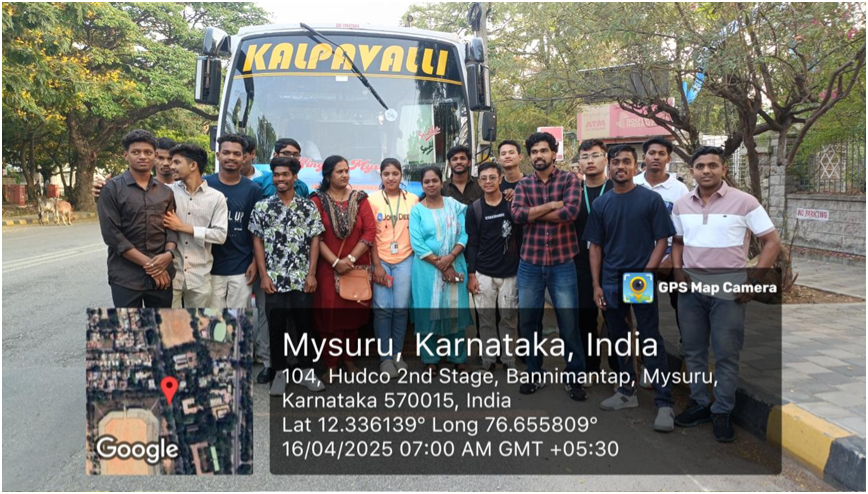
Report on Sociology Students’ Experiential Visit to DEED (NGO), Hunsur on April 16, 2025.
Introduction
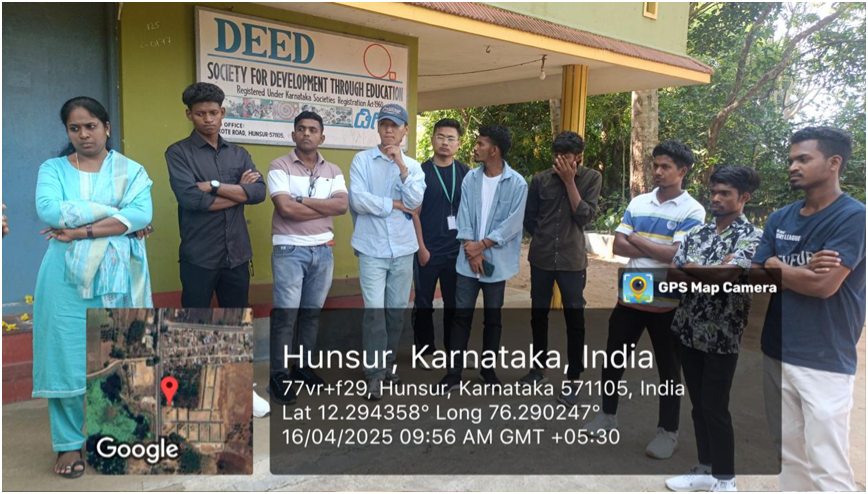
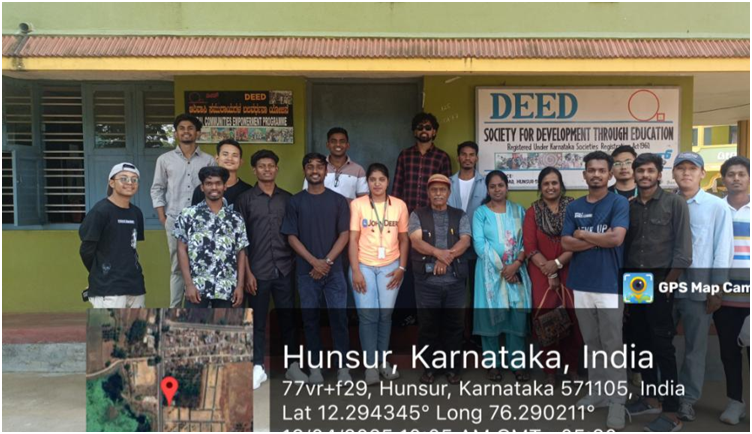
As part of the experiential learning component of the Sociology curriculum, a group of sociology students undertook an educational visit to DEED (Development through Education), a non-governmental organization actively working for tribal development, land rights, and social justice. The organization is led by Dr. S. Srikanth, a noted sociologist and activist. The visit aimed to provide students with first-hand exposure to grassroots-level interventions among tribal communities.
About the Organization
DEED is a non-governmental organization actively engaged in tribal development, protection of land rights, livelihood support, and social justice. The organization works closely with indigenous communities to safeguard their traditional rights, promote sustainable development, and empower tribal populations through awareness, advocacy, and community participation.The NGO is led by Dr. S. Srikanth, a noted sociologist and social activist, whose work focuses on tribal rights, displacement, and development-induced marginalization.
Interaction with the Director
The students had an insightful interaction with Dr. S. Srikanth, who explained the objectives, vision, and field activities of DEED. He elaborated on issues such as:
Alienation of tribal land
Impact of development projects on tribal communities
Legal provisions related to land rights
Importance of community-based movements and collective action
The session helped students understand how sociological theories are applied in real-life social interventions.
Visit to Haadi Sites
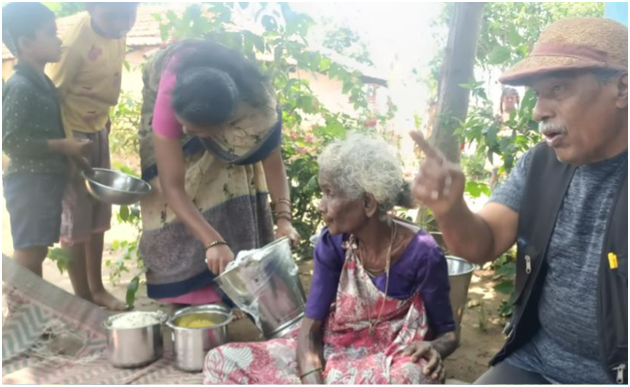
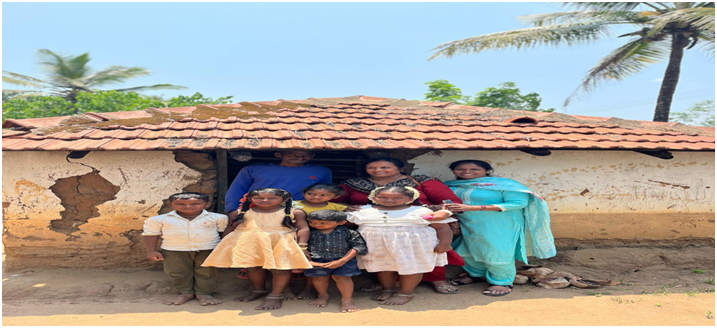
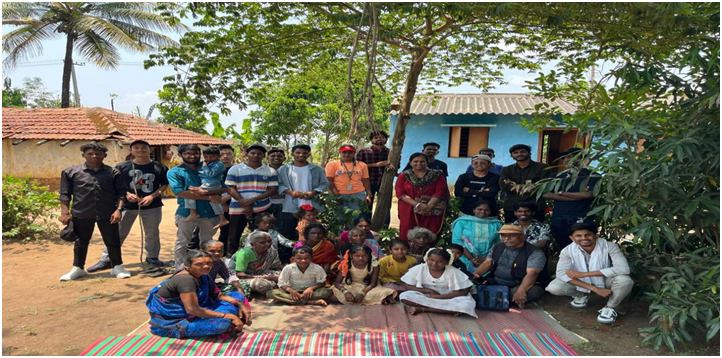
As part of the field exposure, students also visited nearby Haadi (tribal settlement) sites. During the visit, they observed:
Living conditions and housing patterns of tribal communities
Traditional occupations and livelihood practices
Social organization, kinship, and community life
Challenges related to land ownership, access to resources, and basic amenities
The interaction with community members gave students first-hand knowledge of the realities faced by tribal populations.
Learning Outcomes
The visit enabled students to:
Relate theoretical concepts of tribal society and development with field realities
Understand the role of NGOs in advocating for marginalized communities
Gain awareness about land rights and tribal struggles
Develop research orientation and empathy towards tribal communities
Conclusion
The field visit to DEED was an enriching and meaningful learning experience. It enhanced students’ understanding of tribal issues, land rights, and the significance of sociological intervention in development work. The visit successfully bridged the gap between classroom learning and practical social realities, making it a valuable academic exercise.

You may also like
PHILO’S KALARAVA

Title: Role Play Activity Highlighting Contemporary Social Issues
