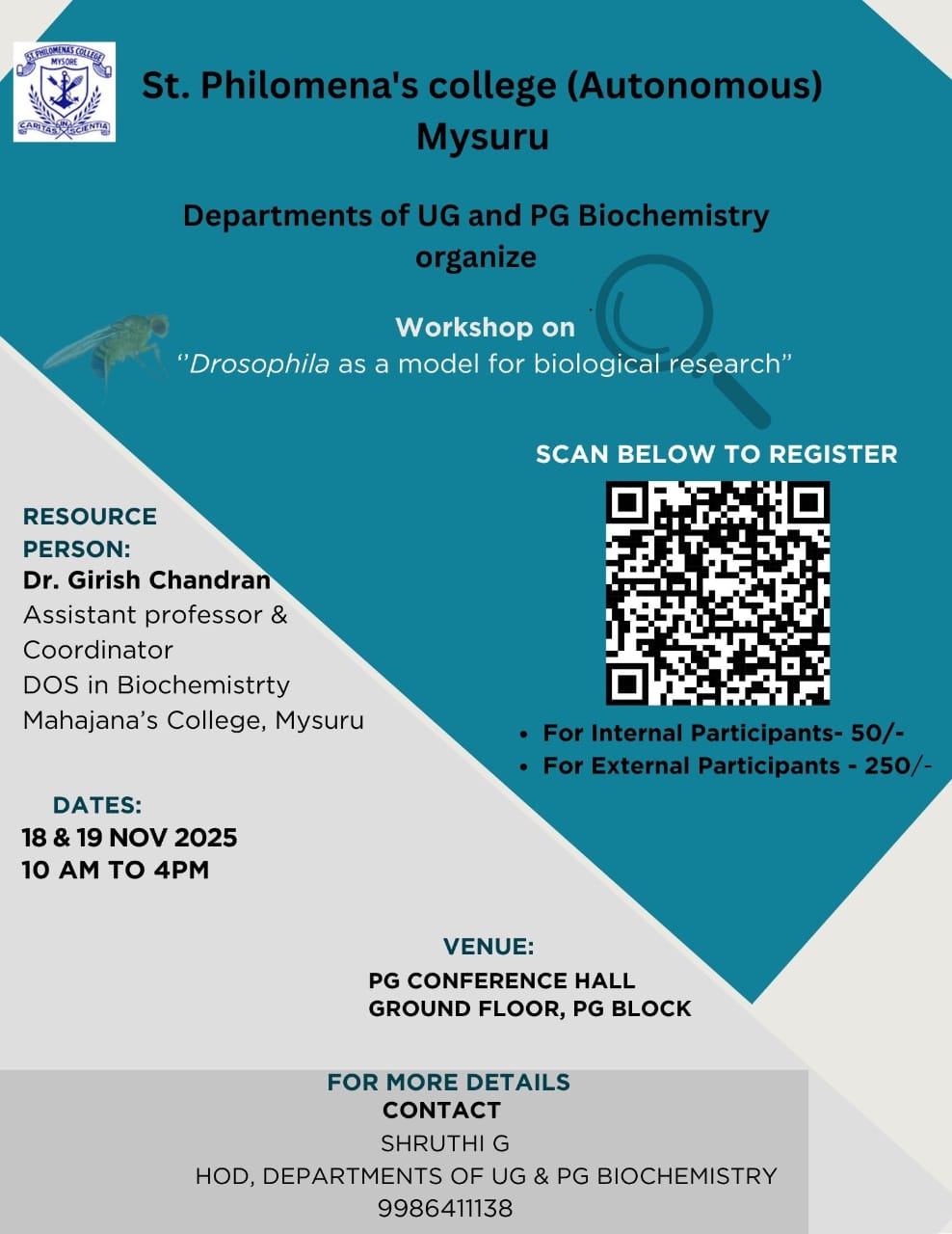
Workshop on
Organized by:PG and UG Department of Biochemistry, St. Philomena’s College, Bannimantap, Mysuru
In Collaboration with: Department of Studies in Biochemistry, Mahajana’s College, Mysuru
Dates:18th and 19th November 2025
Resource Person:Dr. Girish Chandran, Assistant Professor, Coordinator, DOS in Biochemistry, Post Graduate Studies, Mahajana’s college, Mysore
Introduction
The Postgraduate and Undergraduate Departments of Biochemistry, St. Philomena’s College, Bannimantap, Mysuru, in collaboration with the Department of Studies in Biochemistry, Mahajana’s College, Mysuru, organized a two-day workshop titled “Drosophila as model for Biological Research” on 18th and 19th November 2025. The workshop aimed to provide hands-on training and conceptual understanding of Drosophila melanogaster as an experimental model in modern biological sciences.
Drosophila has been one of the most widely used model organisms for over a century. Its short life cycle, ease of maintenance, genetic tractability, and similarity to human disease pathways make it invaluable in research on genetics, neurobiology, aging, toxicology, and developmental biology. The workshop was designed to introduce students to its biology, life cycle, and practical applications through a series of laboratory-based sessions.
A total of 40 participants from UG and PG programs attended the workshop, along with faculty members.
Day 1: 18th November 2025
Inauguration
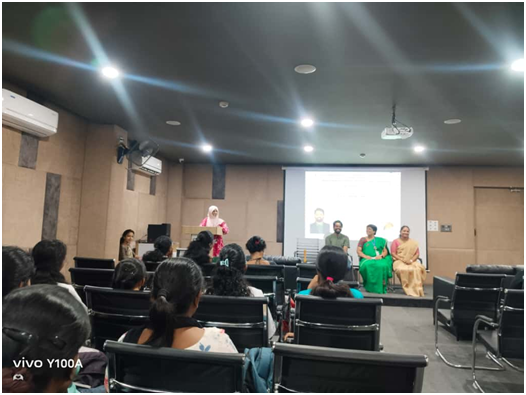
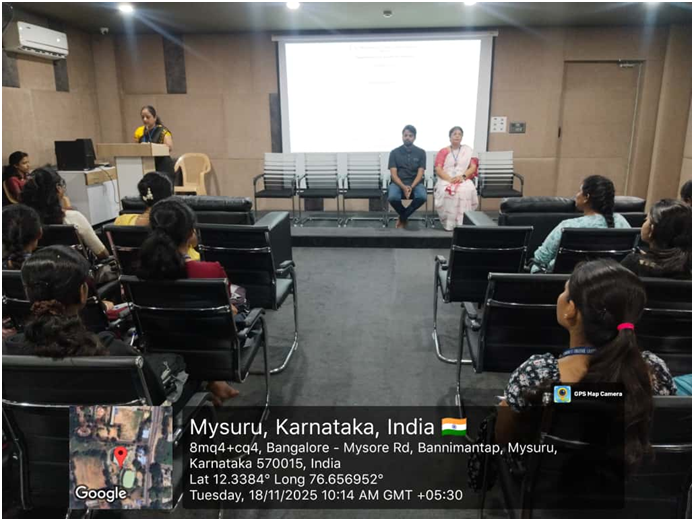
The program commenced at 10:00 AM in the college conference hall. The inaugural ceremony was followed by an introductory session by the resource person, Dr. Girish Chandran, who provided an overview of the significance of Drosophila in research.
Introduction to Drosophila as a Model Organism
The resource person explained the characteristics that make Drosophila melanogaster an ideal model system. Drosophila possesses a simple and well-studied genome, making it an excellent system for genetic research. Its short generation time of approximately 10–12 days allows rapid observation of developmental and experimental outcomes. The organism produces a large number of progeny, enabling statistically reliable studies. Additionally, it is highly amenable to genetic manipulation, which facilitates the investigation of gene function. Importantly, many of its biological pathways are conserved in humans, making Drosophila a powerful model for understanding human biology and disease.
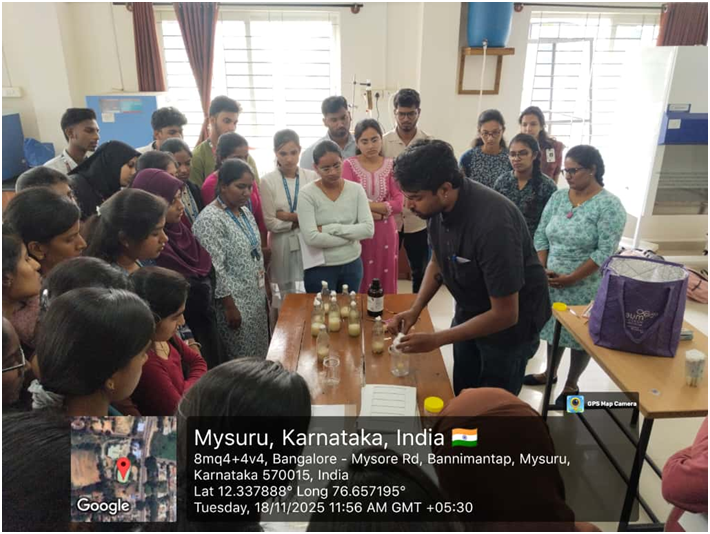
Participants were introduced to the complete life cycle of Drosophila melanogaster, including the egg, larval stages (with three instars), pupa, and adult fly, with each stage demonstrated using laboratory cultures. They also received hands-on training in the dissection of adult flies to observe organs such as the brain, gut, and reproductive structures, while learning proper handling techniques and the use of stereomicroscopes. Students were further trained in preparing standard Drosophila culture media, covering ingredients, cooking procedures, preservatives, and techniques for fly transfer and maintenance.
Behavioral and Toxicological Assays
1. Climbing Assay (Negative Geotaxis)
Participants performed locomotor activity tests on:
- Control flies
- Flies treated with Rotenone
- Flies treated with antioxidants
The effect of oxidative stress on mobility was demonstrated.
2. Locomotion Analysis
Detailed observation and quantification of movement patterns were carried out.
3. Prick Assay (Survival Assay)
Students performed immune-related prick assays to study survival and stress responses.
This marked the completion of a highly interactive and practice-oriented first day
Day 2: 19th November 2025
The second day focused on biochemical assays conducted using fly samples.
1. Protein Estimation
Students performed total protein estimation using standard biochemical methods (e.g., Lowry/Biuret).
2. FRAP Assay (Ferric-Reducing Antioxidant Power)
The antioxidant potential of samples was assessed, and students learned:
- Principle of FRAP
- Preparation of reagents
- Interpretation of absorbance values
3. Acetylcholinesterase (AChE) Activity Assay
Participants analyzed neurotoxic effects by measuring AChE activity control and treated samples.
The hands-on experience allowed participants to understand how Drosophila serves as a model for neurobiology and toxicology research.
Valedictory Program
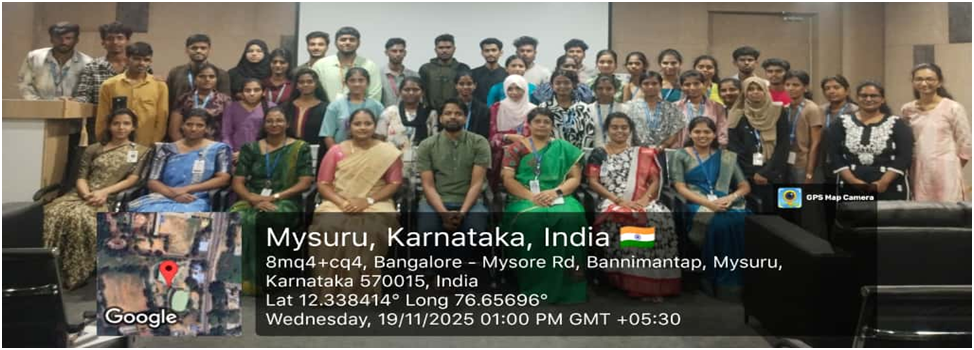
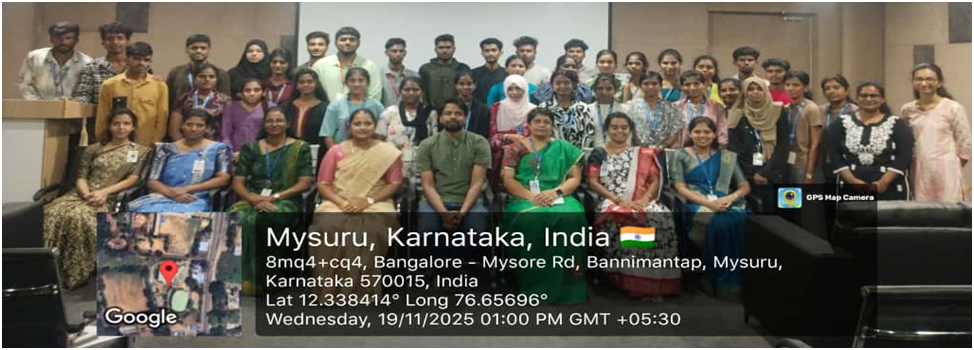
The workshop concluded with a valedictory ceremony in the afternoon. Participants shared their experiences, and certificates were distributed. The resource person appreciated the enthusiasm of the students and encouraged them to pursue research in model organism biology.
Conclusion
The two-day workshop provided comprehensive exposure to the theoretical and practical aspects of using Drosophila melanogaster in biological research. With 40 students actively participating, the program successfully enhanced their laboratory skills and scientific understanding. The collaboration between St. Philomena’s College and Mahajana’s College further strengthened academic exchange and opened avenues for future research-oriented activityes.
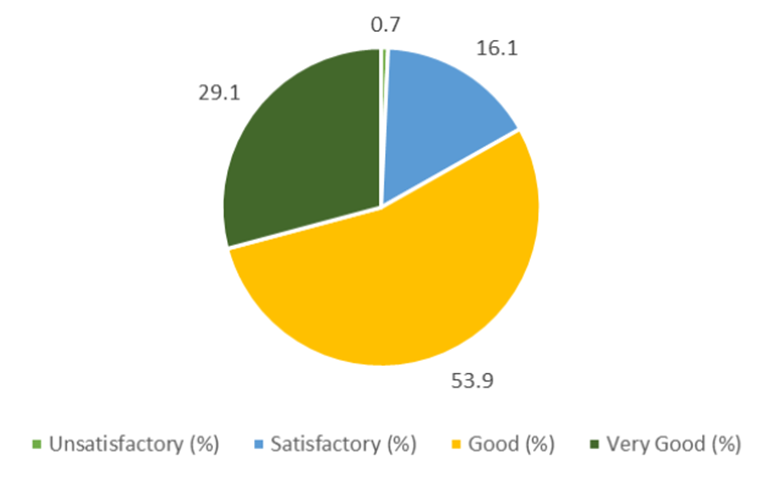
Students feedback on Workshop