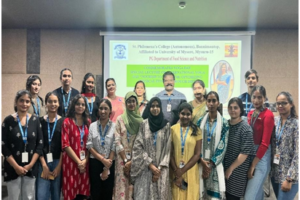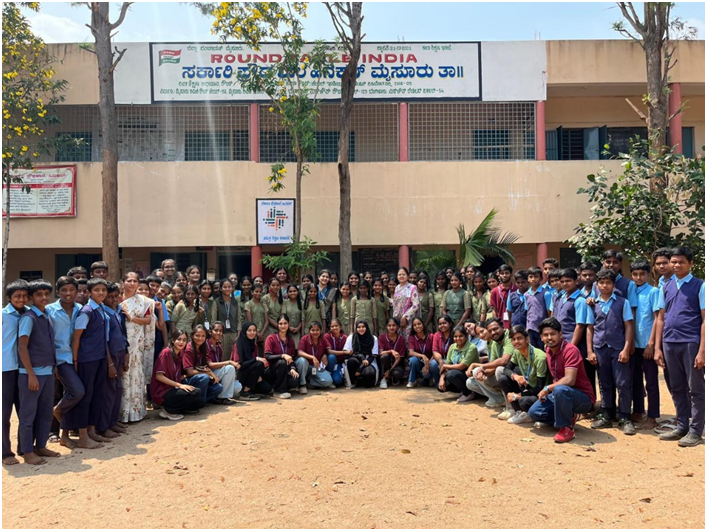
Iron Deficiency Anaemia Awareness Program — Report
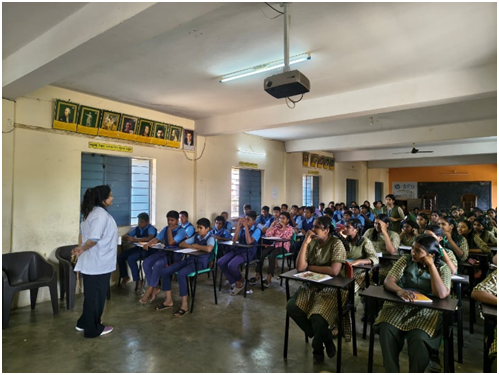
Iron Deficiency Anaemia Awareness Programme for 8th and 9th Grade Students
Organisers PG Department of Food Science and Nutrition, St. Philomena’s College, Mysore
Organising Team – Dr Seema Siddiqi, (Dr) Kaneez Haleema
Date and time 4th March 2026, 10:00 A.M. to 2.00 P.M.
Venue: Government High School, Hinkal, Mysore.
Purpose and objectives
Purpose: To raise awareness of iron deficiency anaemia (IDA) among early adolescents and to screen students for risk factors and probable deficiency.
Objectives:
- Provide age‑appropriate education on nutrition, iron sources, and dietary practices that prevent anaemia.
- Teach simple concepts of anthropometry and explain how these relate to nutritional status.
- Screen participating students using anthropometric measurements and estimate haemoglobin (Hb) level using digital hemoglobinometer.
- To identify the risk of probable anaemia (Mild, moderate, severe among the participants).
- Encourage follow‑up with parents/guardians and local health services where screening indicates need.
Target participants
Students of standards 8 and 9 (early adolescents), teaching staff, and school health personnel if interested.
Programme summary
Students were registered by class and assigned to small groups for educational sessions and screening.
Necessary permissions were obtained with the concerned BEO and school authorities before the initiation of the program. Informed parental consent had been facilitated in advance by the school authorities.
The introductory session was held in the school auditorium (10:20 A.M–10:35 A.M.) and was coordinated by Principal Ms. Pramila wherein she welcomed the guests. Brief introduction about the awareness program was given by Dr.Seema Siddiqi outlining aims and objectives of the program such as, Nutrition basics for adolescents, anaemia; role of iron in the body; symptoms of iron deficiency; dietary iron sources (haem and non‑haem iron), vitamin C to improve iron absorptionand simple food swaps.The inaugural session was followed by the educational sessions where PG students presented a skit based educational awareness about the consequences of anaemia.
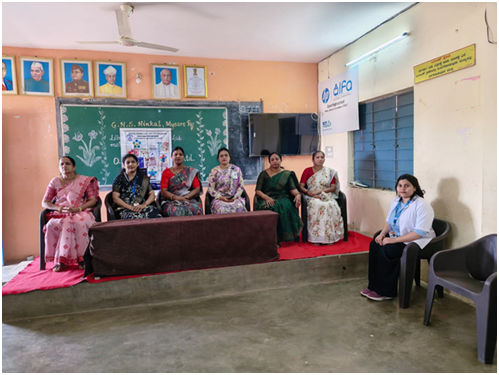
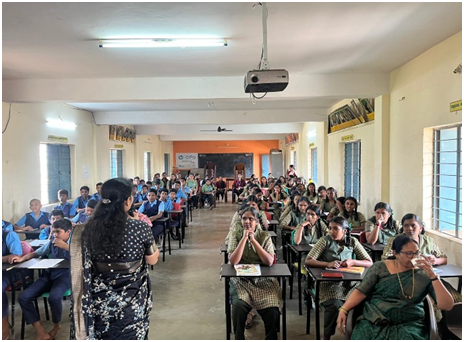
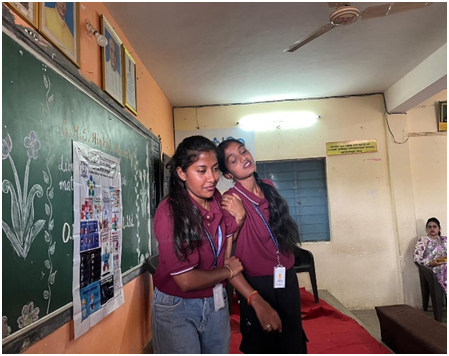
Drama on Nutritional Problems Among School-Going Children
Session A:PG students enacted a drama based on the nutritional problems faced by school-going children. The purpose of the drama was to create awareness about the importance of proper nutrition during childhood.
In the drama, students portrayed different characters such as school children, parents, teachers, and prominently role of nutritionist in balancing the healthier lifestyle. The story showed how some children suffer from problems like malnutrition, anaemia, and poor eating habits due to lack of balanced diets and unhealthy food choices.
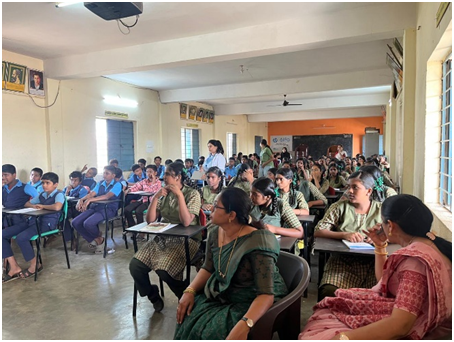
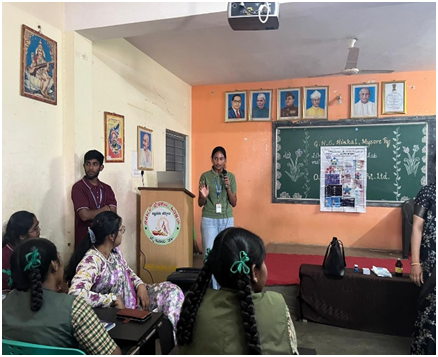
Through the performance, the students highlighted the importance of consuming nutritious foods such as fruits, vegetables, milk, pulses, and balanced meals. The drama also emphasized the role of parents and teachers in guiding children toward healthy eating habits.
The program successfully conveyed the message that good nutrition is essential for the growth, development, and academic performance of children. The audience appreciated the effort of the PG students in spreading awareness about nutritional health in an engaging way.
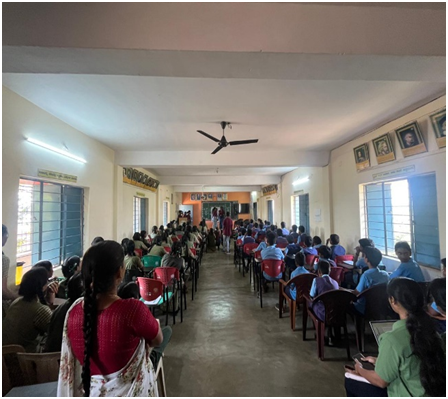
Session B: Anthropometric Measurements – presented by (Dr) Kaneez Haleema.
Topics: Height and weight measurementsand how measurements indicate nutritional risk.
Teaching methods:
Short lectures with simple visual aids and real‑life examples appropriate for 8th–9th graders.
Interactive Q&A and demonstration of iron‑rich food items.
Use of easy‑to‑read handouts summarising key messages for students to take home.
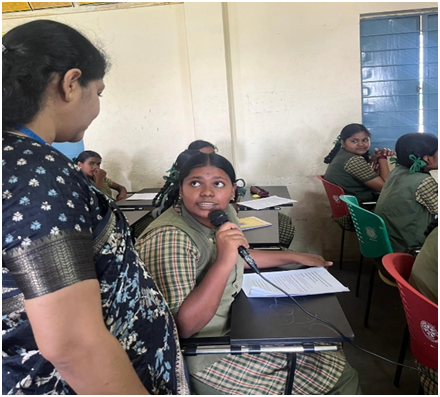
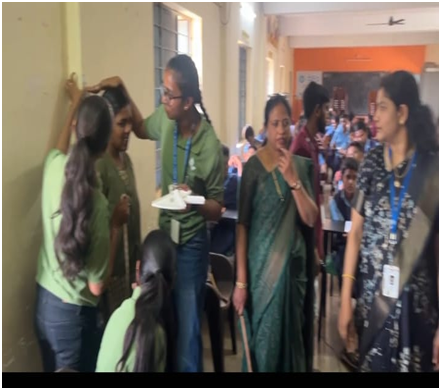
Anthropometric measurements
Physical measures like height, weight was recorded using digital weighing balance and stadiometers. Clinical signs for the deficiency of iron were also noted down.
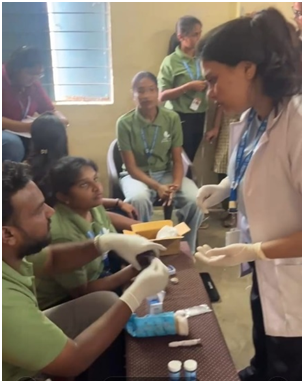
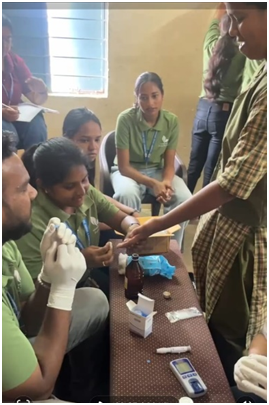
Haemoglobin testing:
Point‑of‑care Hb levels were measured using digital hemoglobinometer (capillary) methods. Tests were carried out by trained personnel under clinical guidance supervision.Results were recorded in anonymised screening logs; students with Hb below thresholds were flagged for follow‑ups.
Infection control and safety:
Single‑use lancets, gloves, and waste disposal were appropriately used to discard the biowaste materials. The ethical protocols were adhered accordingly.
Students screened for Hb levels: 30 girl students and 3 teachers.
College team: Dr Seema Siddiqi, (Dr) Kaneez Haleema, and supporting PG department students.
PG students were involved in educational engagement with the students who interacted with high interest during sessions, with active questions about diet and sports performance. The results of Anthropometry and Hb tests were shared among the participants and encouraged to consume diversified diets with frequent consumption of staple cereals and high-quality protein foods along with iron rich foods and citrus fruits to increase the iron absorption.
Acknowledgements: We gratefully acknowledge the Principal, Ms Pramila, and teacher Ms Sujatha for their support and cooperation in organising the programmeand facilitating student participation. Much Thanks to Ms. Samreen Baig, PG Final year student for the well coordination of the program. Finally, the management of St. Philomena’s College for supporting this outreach program.

You may also like
AI in Nutrition Practice
Workshop Report: Enteral Feeding Practical approaches